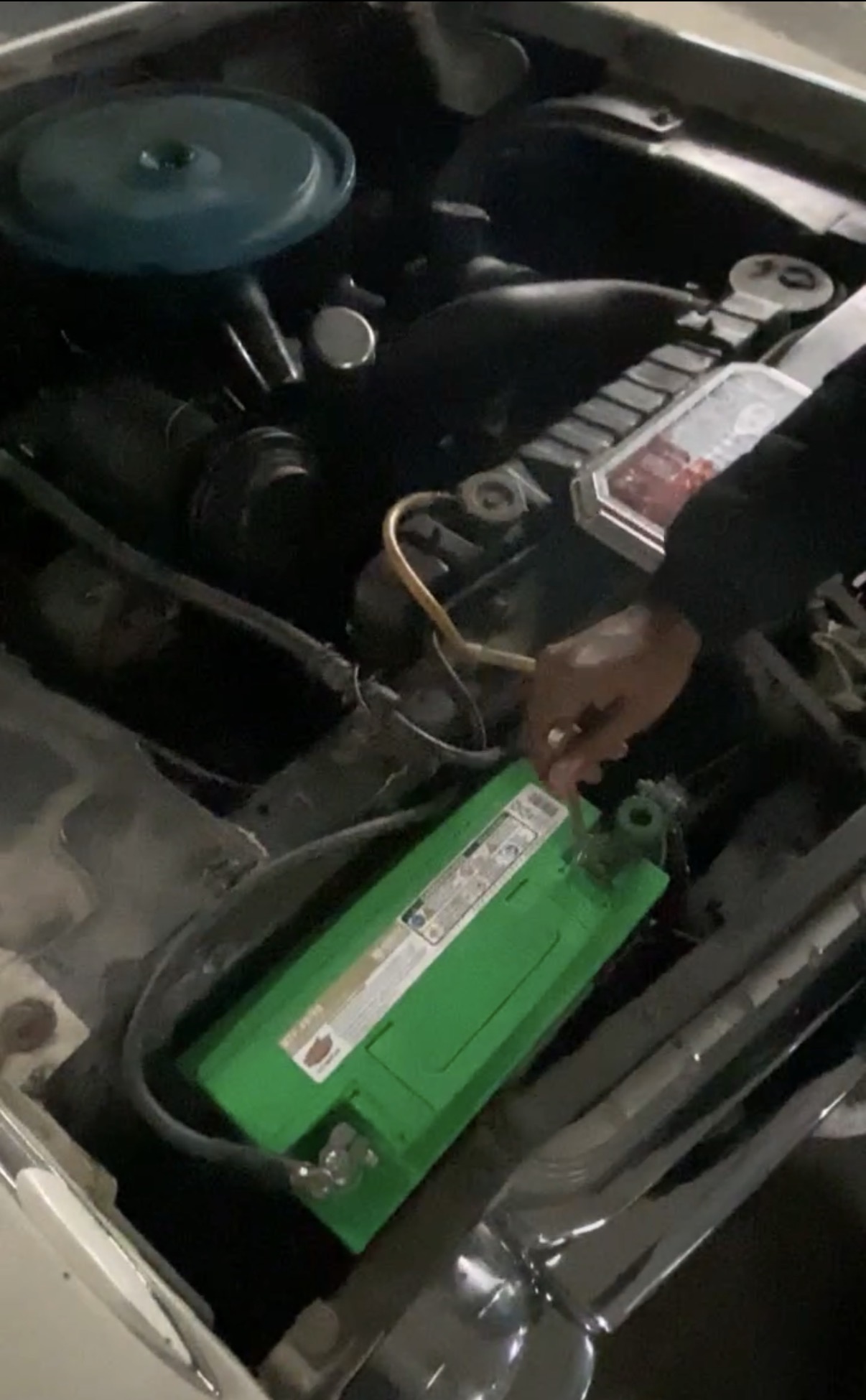
Why extreme heat and cold drain your car battery
A car battery is a chemical device, and chemistry is sensitive to temperature. The lead-acid battery under your hood produces current through a reaction between lead plates and sulfuric acid electrolyte. Push that reaction too hot or too cold and the battery either wears out early or can't deliver the current your starter needs. In Atlanta, drivers get hit from both directions: brutal, humid summers followed by sudden winter cold snaps.
Heat is what kills the battery
Most drivers blame winter, but summer does the real damage. Under-hood temperatures in a Georgia summer routinely exceed 140°F, and heat speeds up every chemical reaction inside the case — including the destructive ones.
- Evaporation: high heat boils off water in the electrolyte, exposing and permanently damaging the lead plates.
- Accelerated corrosion: the internal grid structure corrodes far faster, reducing the battery's capacity every hot week.
- Overcharging: heat lowers the battery's internal resistance, so the alternator pushes in more current than the battery can absorb.
- Faster self-discharge: a hot battery loses stored charge sitting still, which is why cars parked in the sun for days often won't start.
That damage is cumulative and permanent. A summer of heat can quietly cut a battery's usable capacity in half — you just don't notice until a cool morning demands more current than what's left.
Cold is what exposes it
Cold weather doesn't usually destroy a healthy battery — it reveals one that summer already weakened. Two things happen at once on a freezing morning:
- Output drops: at 32°F a battery delivers roughly 65% of its rated cranking power; near 0°F it's closer to 40%.
- Demand rises: cold engine oil thickens, so the starter motor needs substantially more current to turn the engine over.
- Slower recharging: short winter trips with the heater, defroster, seat warmers, and headlights running may not replace what starting used.
Less available power meeting a much bigger demand is exactly why so many no-start calls come in on the first genuinely cold morning of the year. The battery didn't fail overnight — the cold simply cashed the check that August wrote.
Warning signs your battery is on the way out
- Slow, labored cranking when you turn the key
- Headlights dim at idle and brighten when you rev
- Dashboard battery or charging-system warning light
- Clicking sound instead of a start
- Battery is three years old or more
- Swollen, leaking, or heavily corroded battery case
How to make your battery last longer in Georgia
- Park in shade or a garage when you can — lowering under-hood temperature is the single best thing you can do.
- Keep terminals clean and tight; corrosion adds resistance and starves the starter.
- Drive long enough to recharge. Repeated 5-minute trips never replace the energy each start consumes.
- Turn off accessories before shutting down, and don't leave chargers, dash cams, or lights drawing power overnight.
- Have the battery load-tested every year once it passes the 3-year mark — free with any of our visits.
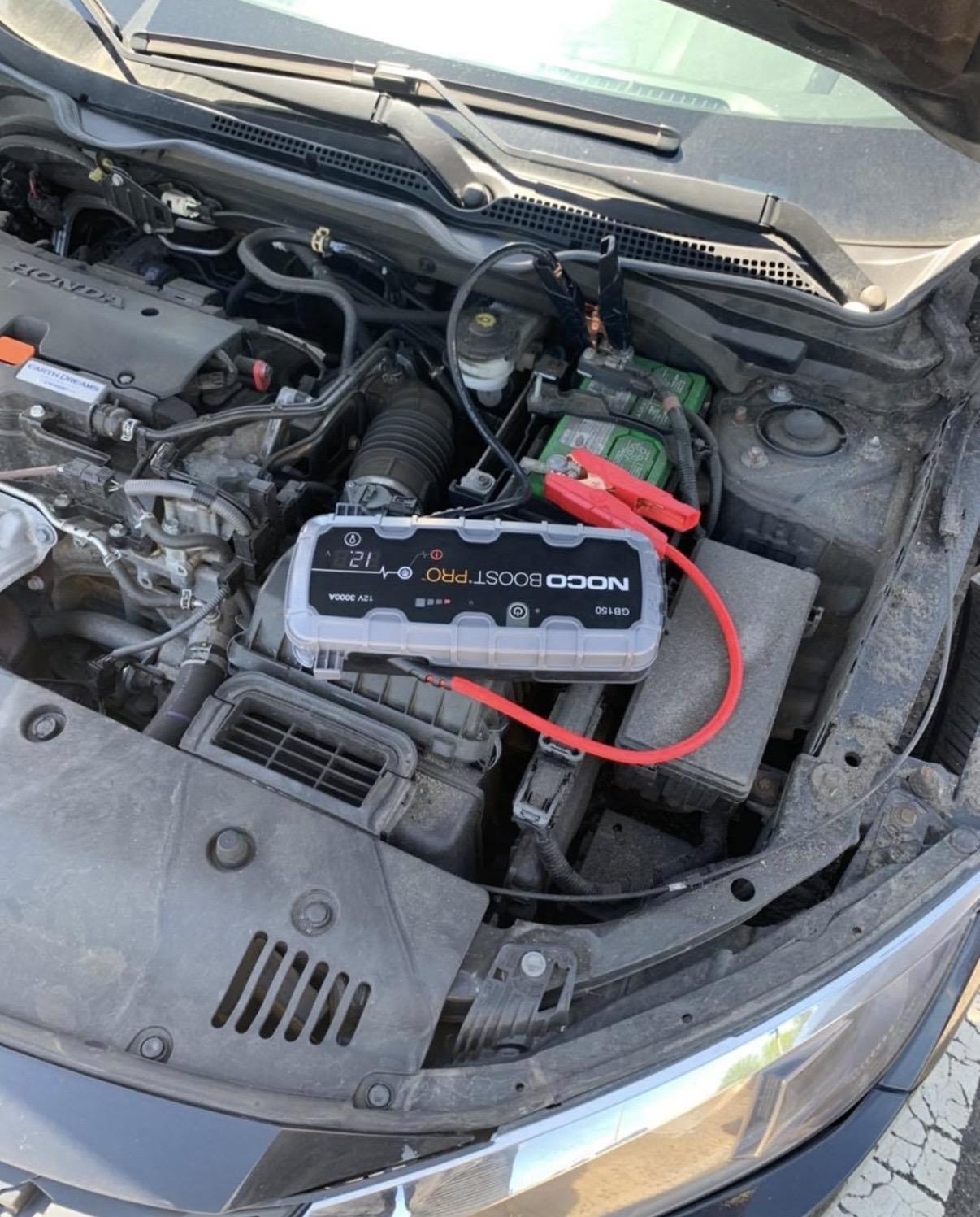
If a jump start gets you running but the car dies again after sitting, replacement is the fix. Call dispatch at (470) 237-8116 and we'll test it and, if needed, install a new battery where you're parked.